
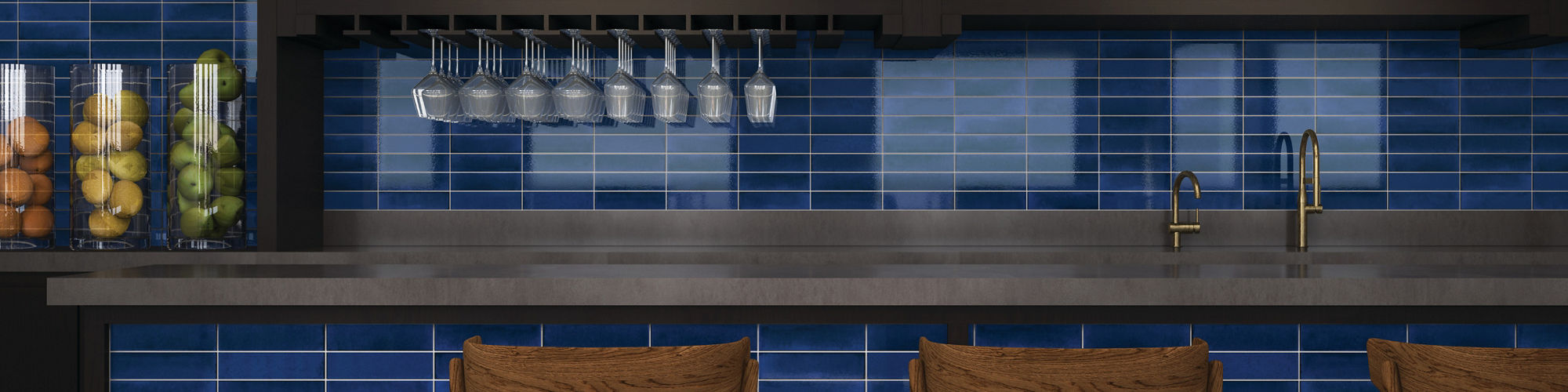
In residential interiors, Midimalism creates rooms that feel restorative and lived-in. Neutral foundations—warm whites, soft grays, gentle wood tones—set a calm baseline, while tile introduces depth through subtle movement and tactile finishes.
A bathroom becomes a retreat when smooth stone surfaces are paired with a softly patterned floor. Kitchens feel open and intentional when clean-lined tile grounds the space and allows natural light and materials to take center stage. The goal isn’t perfection—it’s comfort with clarity.


Calm, Collected Commercial Spaces
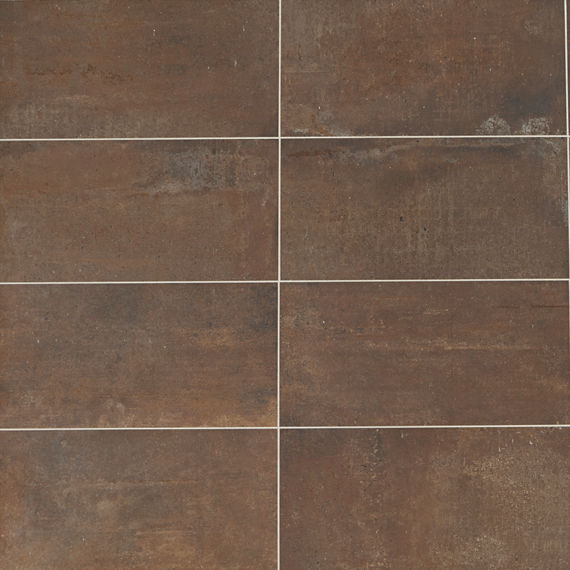
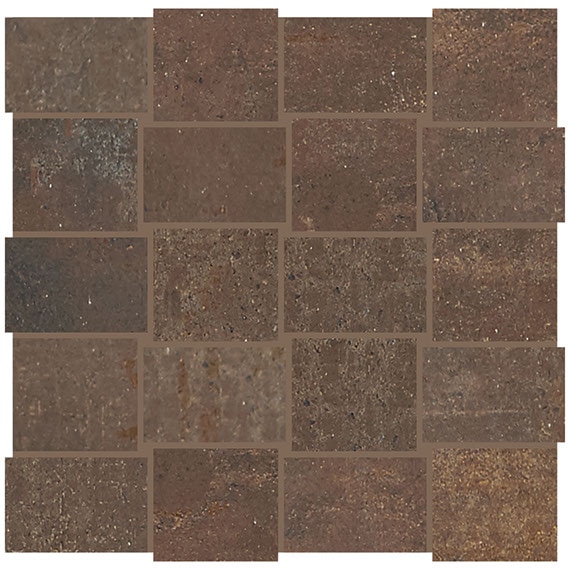
Midimalism translates seamlessly into commercial environments where focus and flow matter. Offices, hospitality spaces, and wellness interiors benefit from its organized layouts and restrained palettes—spaces that feel intentional without feeling impersonal.
Tile plays a foundational role here. Large-format surfaces reduce visual noise, while carefully placed mosaics or textural accents add rhythm and warmth. These spaces feel composed and welcoming, supporting both productivity and comfort.

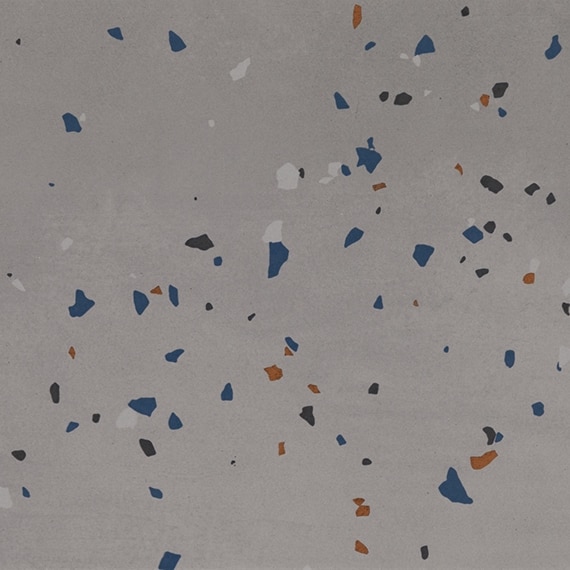
Texture as the Quiet Statement
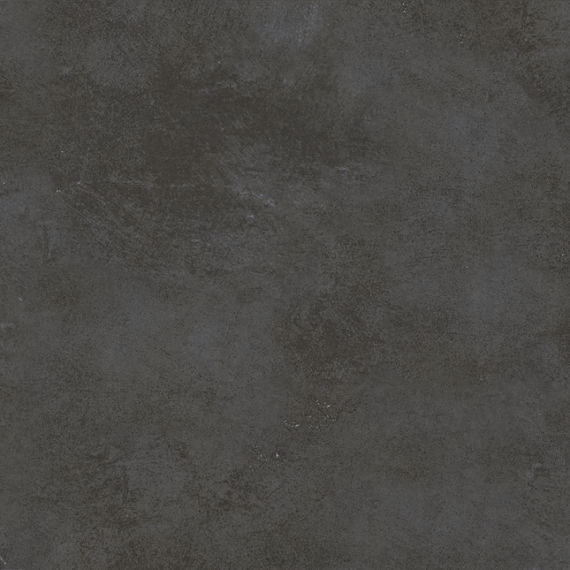
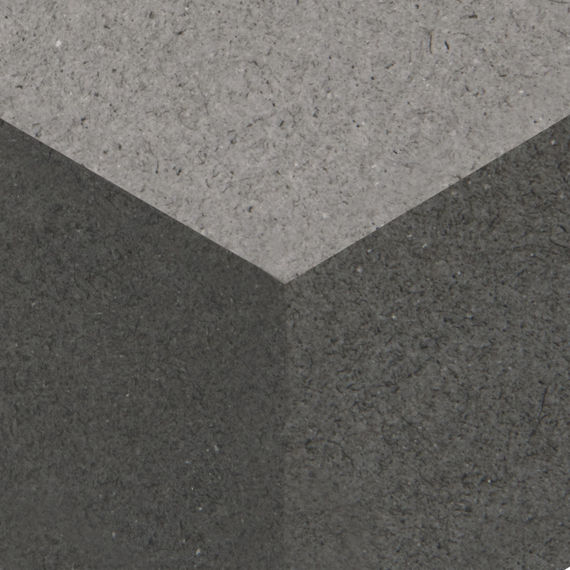
Midimalism relies on touch as much as sight. Soft geometry, gentle chevrons, and understated patterns create movement without overwhelming the space. Tile with subtle variation becomes the connective tissue—bridging architecture, furniture, and finishes into a cohesive whole.
In residential settings, this might mean a patterned floor that anchors an open-plan living space. In commercial interiors, it could be a textural wall detail that adds identity without distraction.

Why Midimalism Endures
Midimalism isn’t trend-driven—it’s people-driven. It celebrates restraint without rigidity and expression without excess. Whether designing a home meant to evolve with everyday life or a commercial space built to welcome many, this style proves that balance is the most enduring design choice of all.





Every surface matters. Every material has a purpose. And when chosen with care, tile becomes the quiet hero that holds it all together—Proven in Tile.