
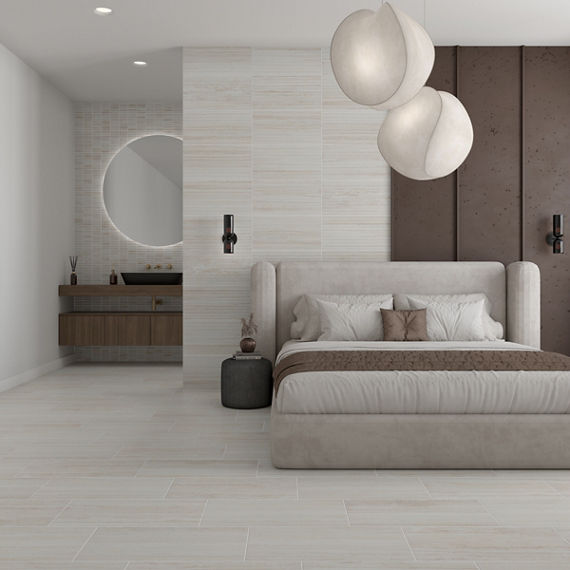
Textural Impact: How Tile Texture Brings Depth and Dimension to Your Space
Texture is having a moment, and tile is leading the conversation.
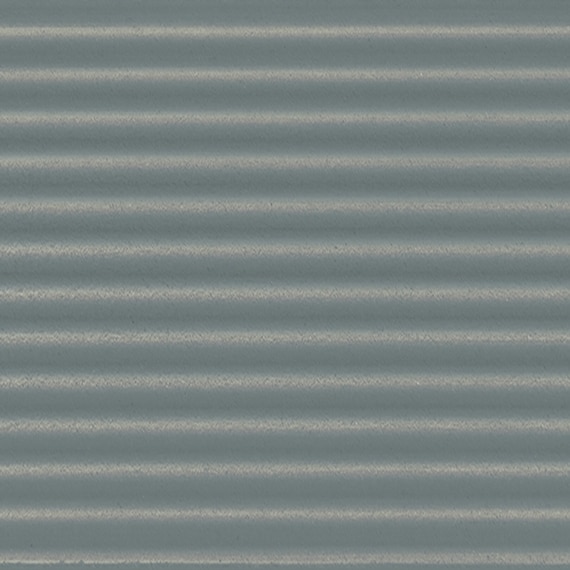
In tile forward spaces, texture does more than add visual interest. It creates depth, movement, and dimension that transform rooms from flat to fully lived in. From softly fluted walls to tactile mosaics underfoot, textured tile invites you to slow down, look closer, and feel the space around you.
This is where design becomes personal.
Why Texture Matters in Tile Design
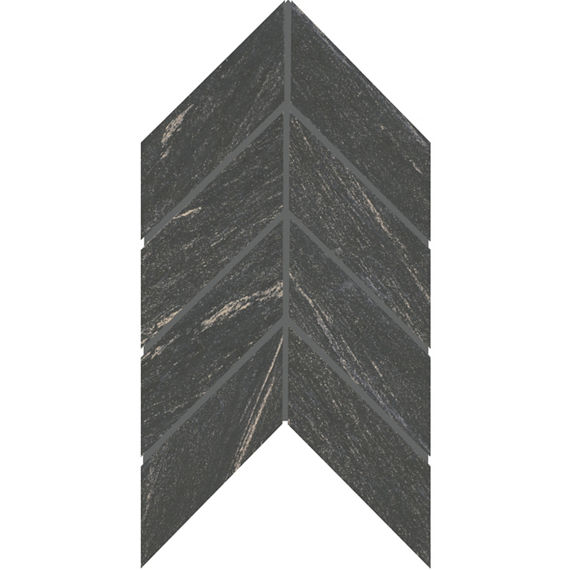
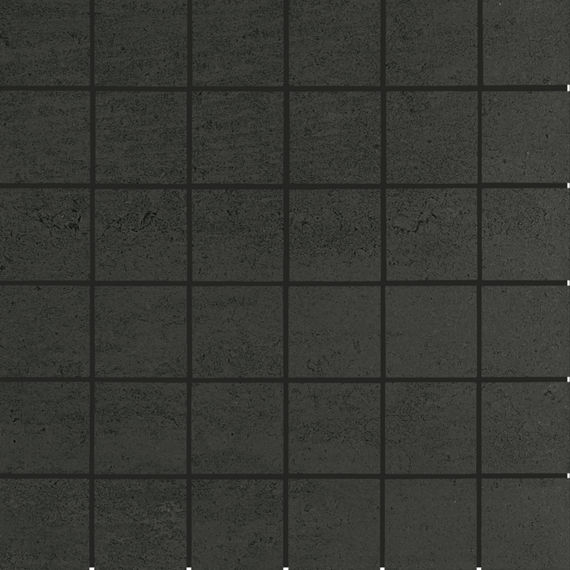
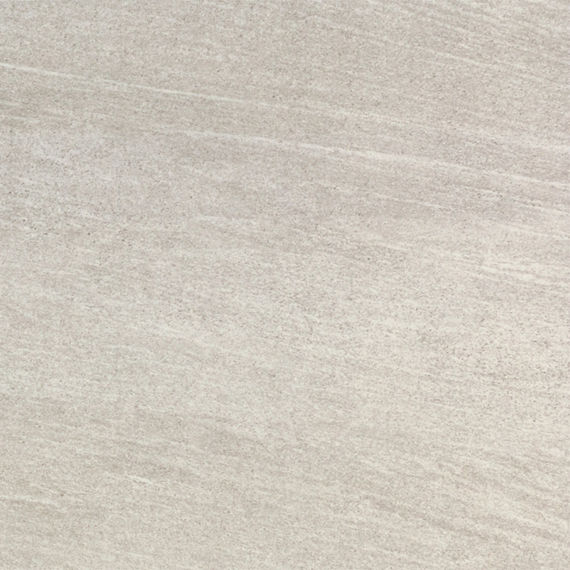
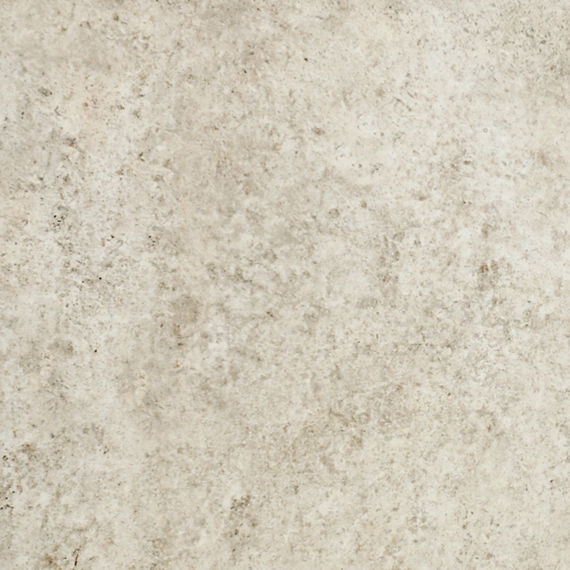
Textured tile introduces contrast without overwhelming the space. Raised patterns catch light throughout the day. Matte finishes ground a room and soften reflections. Subtle variation adds warmth and character that feels intentional rather than staged.
It is the difference between a room that looks finished and one that feels complete.

Collections like Studio Haven™ capture this balance beautifully, pairing soft surface variation with calming color palettes that feel effortless in kitchens, bathrooms, and everyday living spaces.
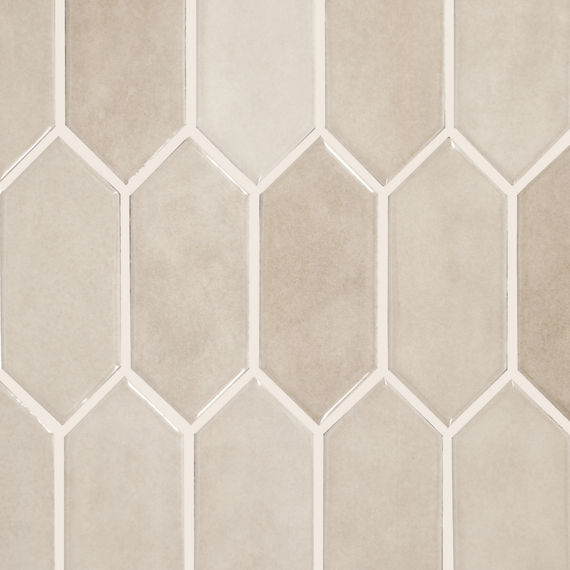
Layering Tile Texture Like a Designer

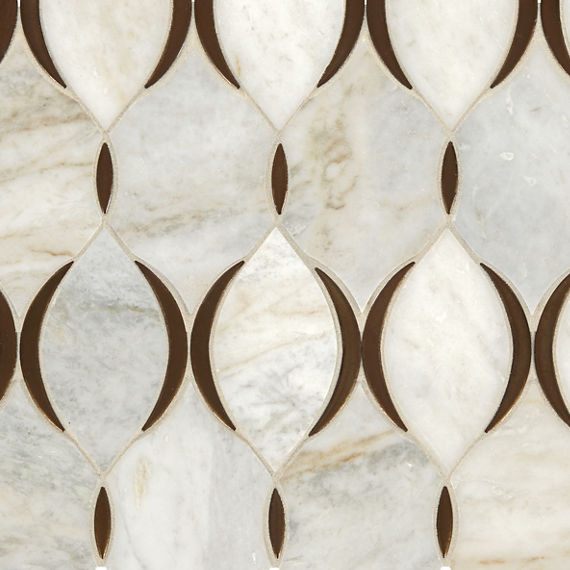

Texture Inspired by Natural Living
Some of today’s most influential design trends are rooted in texture.
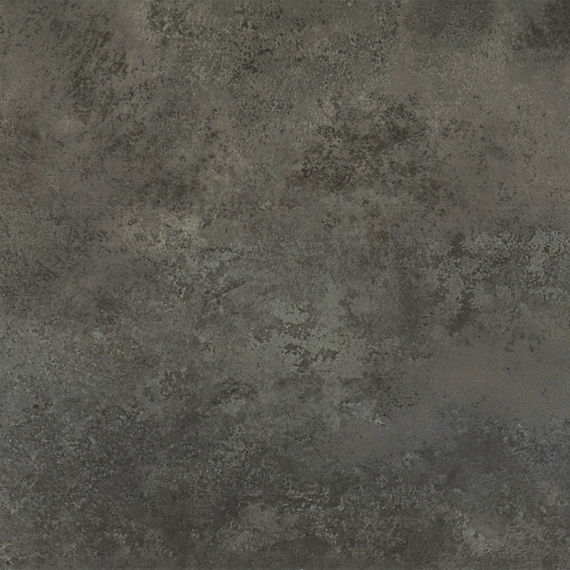
Earthy, tactile surfaces found in stone looks, wood looks, and pebble mosaics reflect the calm, grounding qualities of nature inspired interiors. This approach aligns with spaces that prioritize comfort, wellness, and a connection to natural materials.
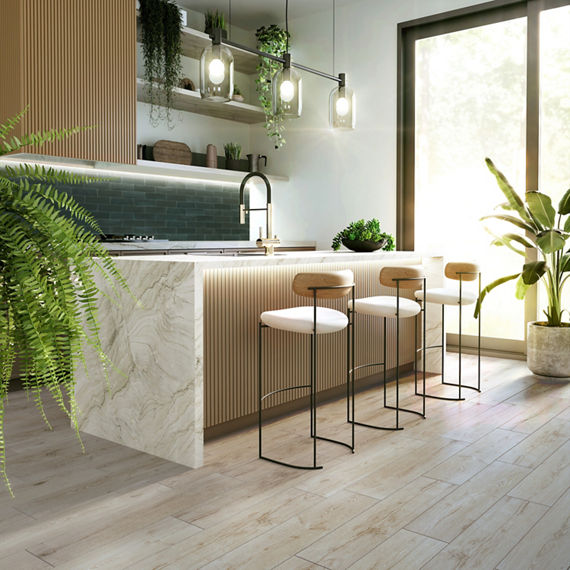
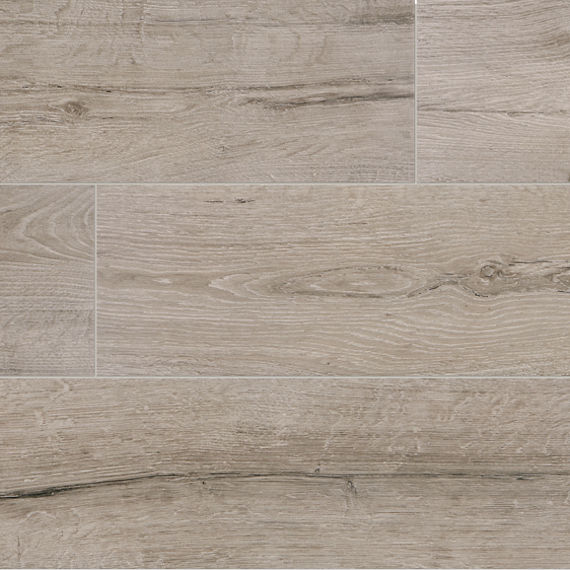
Products like Waterwood™ White Oak bring the warmth of wood visuals with the durability of tile, making them ideal for spaces that need to balance beauty and real life performance.
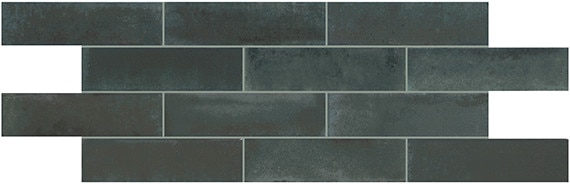
In more layered interiors, texture tells a story. Subtle irregularities and handcrafted inspired finishes give spaces a collected feel. Conrad Brick™ adds depth and character through its sculptural surface, perfect for feature walls that feel personal rather than polished.
Even clean, minimalist spaces benefit from texture. In rooms where color and pattern are restrained, tile texture becomes the focal point. A softly etched wall tile or a sculptural mosaic adds personality without visual clutter.
Where Textured Tile Works Best
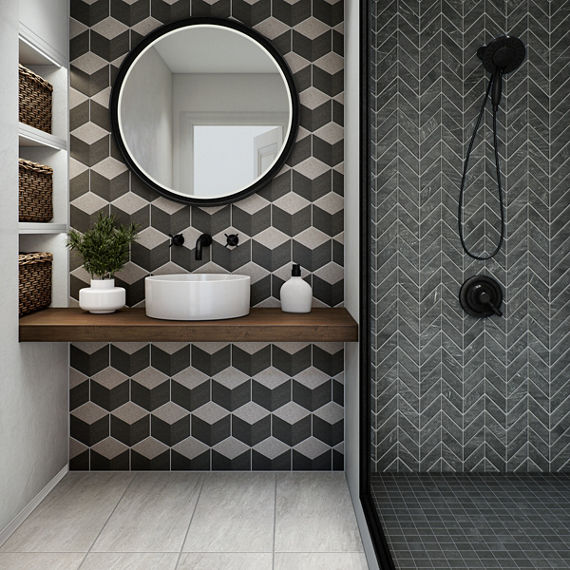
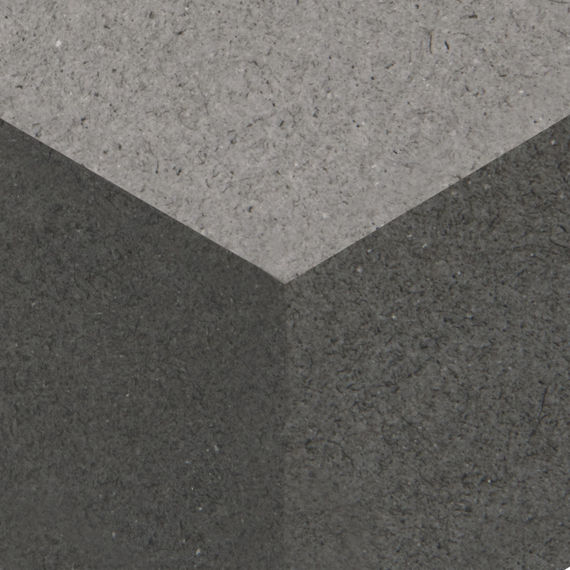
Bathrooms are a natural home for texture. Textured shower walls create visual depth, while tactile floors provide comfort and slip resistance. A Crafter™ hex deco tile behind the vanity can replace artwork altogether, turning texture and dimension into design.
Kitchens benefit from texture in quieter ways. A dimensional backsplash adds movement behind open shelving or cabinetry while staying timeless and easy to live with.
Designed for Real Life
One of the biggest advantages of textured tile is its practicality. Many finishes help disguise smudges, water spots, and everyday wear, making them ideal for high traffic spaces.

Let Texture Lead the Way
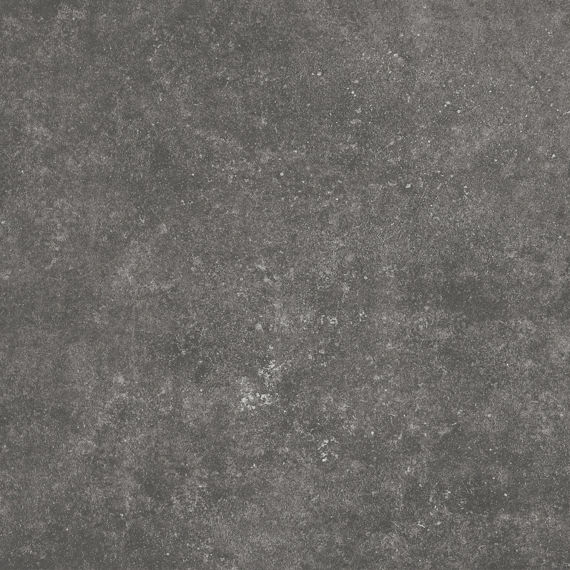
If you are unsure where to begin, let texture do the heavy lifting. Choose one surface to anchor the space and keep everything else simple.
Because when tile has depth, it does more than fill a room. It shapes how the space feels.
And once you start designing with texture in mind, flat surfaces rarely feel like enough.
Every room deserves more than just tile. It deserves texture you can feel.